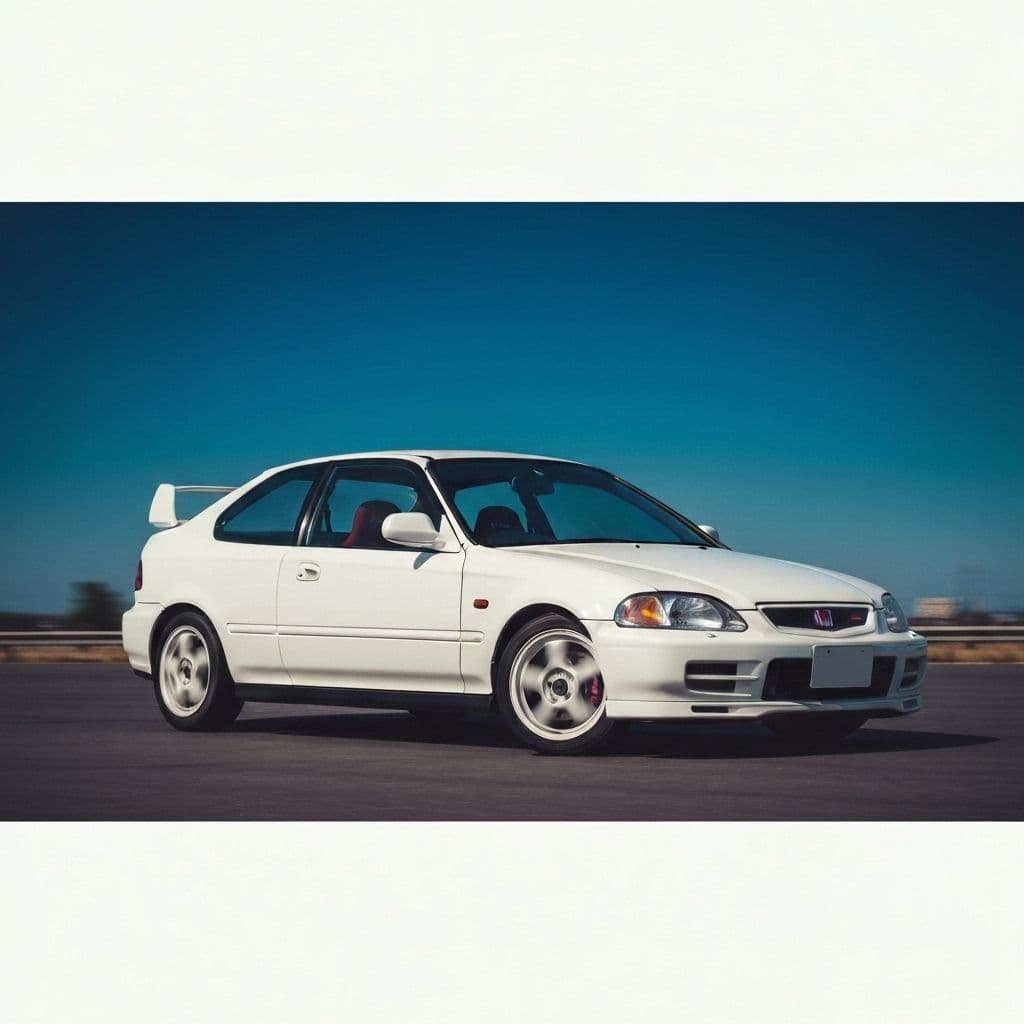
Pakistan is one of the largest markets in South Asia for used Japanese vehicles, with the Port of Karachi handling tens of thousands of right-hand-drive imports each year. Pakistani buyers consume a different mix from East African markets — kei cars (660cc), compact sedans, and Toyota Corolla / Honda Civic alternatives feature heavily, with strong demand for fuel-efficient hybrids and the iconic Toyota Hiace for inter-city transport. This guide covers the Pakistan-specific import process, the engine-cc tariff reality that drives pricing dynamics, and the import-policy nuances every buyer needs to understand before sending money.
Why Pakistani buyers turn to Japan#
Right-hand drive matches Pakistan#
Pakistan drives on the left, like Japan. RHD imports work directly without conversion. This makes Japan the natural source for the Pakistani used car market, alongside the (much smaller) Pakistani domestic auto market.
Engine-cc tariff structure favors small Japanese cars#
Pakistan's import duty structure escalates sharply with engine size. Sub-1300cc vehicles pay a much lower tariff than larger ones. This makes Japan's compact and kei segment (Aqua, Vitz, Fit, Mira, N-Box, Wagon R) perfectly aligned with the Pakistani buyer's tax-optimized choice.
Strong used-car culture#
Pakistan's domestic vehicle market is small relative to demand, and ownership of an imported Japanese vehicle confers prestige and proven reliability. Toyota in particular is the marquee brand, with high resale values across all generations.
Pakistan-specific import policy#
Pakistan's used vehicle import is more regulated than most markets. Three main schemes exist:
1. Personal baggage / transfer of residence (TR)#
Pakistani citizens returning home after at least 700 days abroad can import one vehicle under a special "transfer of residence" scheme with reduced duties. This requires specific documentation showing residence abroad and is the preferred route for individual buyers who qualify.
2. Gift scheme#
Pakistani citizens abroad can "gift" a vehicle to a relative in Pakistan. The recipient pays standard import duties; the sender doesn't pay outbound. This is heavily restricted in practice and increasingly difficult to qualify.
3. Commercial import (dealer route)#
Licensed Pakistani importers bring vehicles in commercially and resell. This is the dominant route for non-baggage imports.
The 3-year age limit#
Pakistan generally caps imported used vehicles at 3 model years old. This is much stricter than Kenya (8 years), Tanzania (no specific cap), or UAE (no cap). The 3-year rule means current import is for 2023+ vehicles. There are exceptions for some categories and for diplomatic / mission imports.
The import process#
Step 1: Confirm eligibility under one of the three schemes#
The first decision is which scheme applies to you. If you are a returning Pakistani national after 700+ days abroad, baggage scheme is preferable. If you are buying for resale or for a relative who isn't returning, commercial import or gift scheme are the options.
Step 2: Quote and sourcing#
A reputable Japanese exporter responds within 24 hours with itemized CIF. The base components are similar to other destinations: vehicle FOB, ocean freight, marine insurance, pre-export inspection, exporter service fee.
Step 3: Auction sourcing#
Most Pakistani buyers want low-mileage 2023–2024 vehicles, which limits auction availability. Stock from major exporters' yards is also commonly used.
Step 4: Pre-export inspection#
While Pakistan doesn't strictly require JEVIC, inspection is highly recommended for all B2B imports — the report is a contractual lever in case of dispute.
Step 5: Payment#
T/T in USD is standard. The transfer-of-residence scheme requires specific State Bank of Pakistan compliance — work with a Pakistan-side clearing agent who has TR experience.
Step 6: Vessel booking#
Yokohama → Karachi: 22–28 days RoRo. Karachi sails are weekly.
Step 7: Karachi clearance#
Pakistan customs at Karachi is one of the more complex clearance environments. Engagement with a licensed Pakistan clearing agent is essential. Documents required:
- Bill of Lading
- Commercial invoice
- Pre-export inspection certificate (if available)
- Pakistan-specific import declaration
- Transfer-of-residence documentation (if applicable)
- Pakistani national ID (CNIC) for the importer
Step 8: Registration#
After clearance, registration is at the provincial Excise & Taxation department. Karachi-registered vehicles need Sindh province registration.
The real cost: engine-cc tariff matters#
For a typical 2023 Toyota Aqua (1.5L hybrid) at USD 9,500 FOB:
| Line item | USD |
|---|---|
| Vehicle FOB | 9,500 |
| Ocean freight (RoRo Yokohama → Karachi) | 850 |
| Marine insurance (1.5%) | 150 |
| Pre-export inspection | 200 |
| Service fee | 400 |
| CIF Karachi | 11,100 |
Pakistan duties (engine-cc based, with multiple cascading taxes):
- Customs duty: variable by engine cc (~50–80% for 1500cc)
- Sales tax: 17%
- Federal excise duty: variable
- Withholding tax: 3–4%
- Income tax adjustment: variable
For this 1500cc vehicle, total Pakistan-side duties typically add USD 7,000–9,000. Total landed cost: USD 18,000–20,000 for a vehicle that costs USD 11,000 CIF.
For sub-1300cc vehicles (kei, Vitz, smaller models), the landed cost is significantly lower because the duty rates step down. This is why the Pakistani market disproportionately favors small-engine Japanese cars.
Most-imported models in Pakistan#
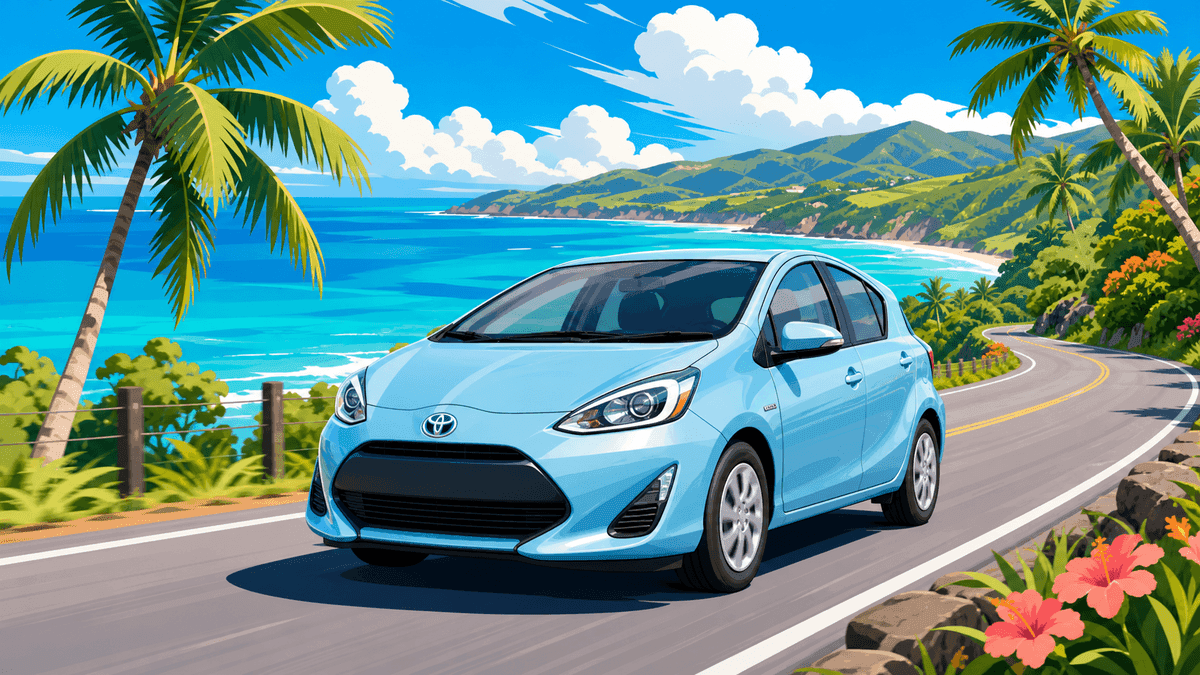
- Toyota Aqua / Prius C (hybrid, sub-1500cc)
- Toyota Vitz / Yaris (sub-1300cc)
- Honda N-Box / N-WGN (kei, 660cc)
- Daihatsu Mira / Move (kei, 660cc)
- Suzuki Wagon R (kei or 1000cc)
- Toyota Corolla (sedan)
- Honda Civic (sedan)
- Toyota Passo (compact)
- Toyota Hiace (commercial / shuttle)
- Toyota Land Cruiser Prado (high-end SUV)
Kei cars are particularly significant in Pakistan due to the engine-cc tariff structure — a 660cc Daihatsu Mira lands at a fraction of the cost of a 1500cc compact, even though both serve similar daily-driver use cases.
Pakistan-specific scam patterns#
Pakistan-Japan trade has well-documented scam patterns beyond the global checklist:
- Fake "transfer of residence" documentation services — promising TR qualification you don't actually have
- Auction sheet manipulation — some Pakistani-side fraudsters present forged auction sheets
- Local gift-scheme middlemen — adding 20–30% markup to relative-resident transactions
- Currency conversion gaming — settling in PKR at unfavorable rates
The standard global checklist still applies (corporate registry lookup, bank account name match, JEVIC verification, no crypto), plus these Pakistan-specific items.
Bottom line#
Pakistan is a sophisticated import market where small-engine vehicles win on landed cost. Choose your import scheme carefully (TR if you qualify, commercial if not), spec tightly to a 2023+ vehicle (or accept the duty surcharge for older), use a licensed Pakistan-side clearing agent with experience in your scheme, and verify all Japan-side parties through the corporate registry.
Next steps#
Request a quote to Karachi for a specific vehicle, or browse our Pakistan destination page for vehicles ready to ship. For the underlying process, see How importing works, Pre-export inspection, and Payment terms.