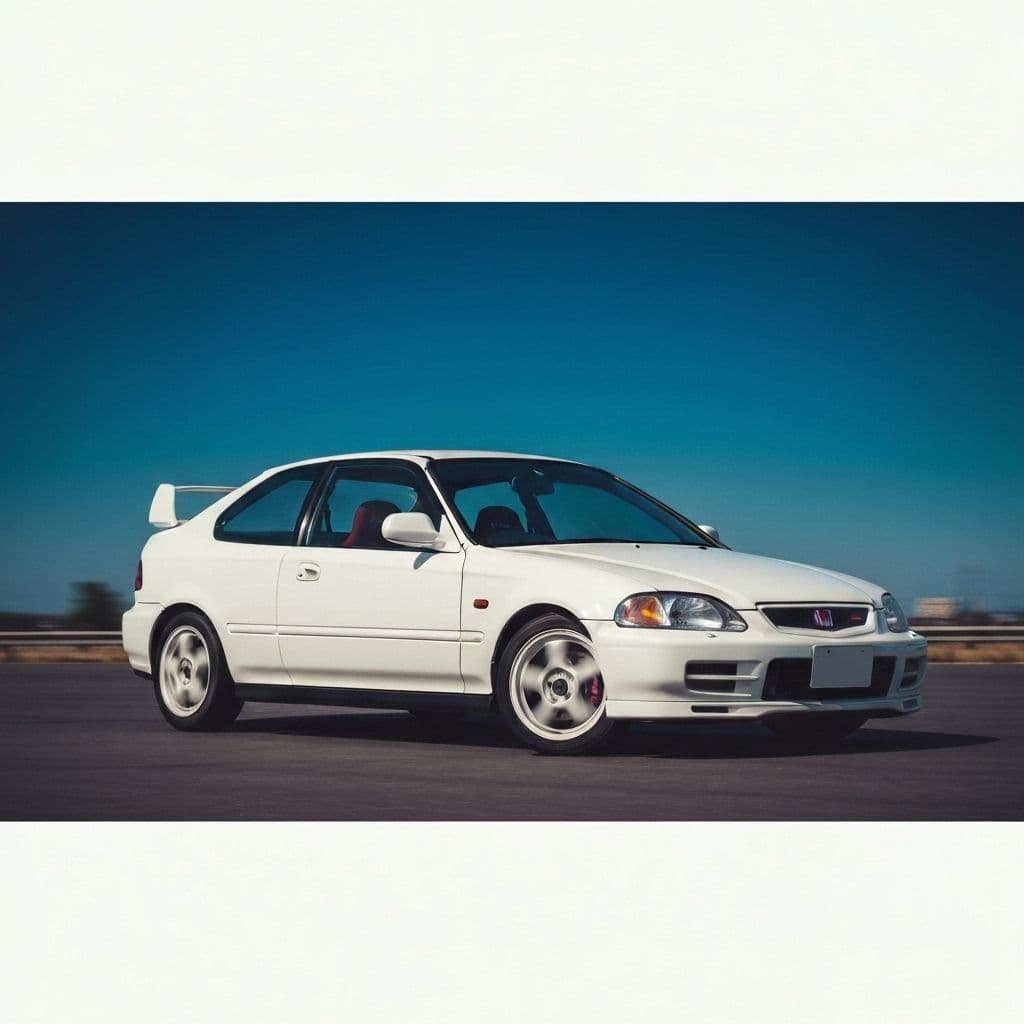
South Africa drives on the left, like Japan. The Port of Durban handles a meaningful share of the country's used vehicle imports — predominantly right-hand-drive Japanese vehicles for both private use and commercial fleet operations. But South African import policy is among the most regulated in the African region: the ITAC import permit requirement combined with NRCS pre-shipment inspection makes this market harder to enter than Kenya or Tanzania, but rewarding for buyers who navigate the process correctly. This guide covers the eligibility reality, the Durban port process, the duty/VAT calculation, and the typical landed cost for South African-bound Japanese imports.
The ITAC permit reality (read this first)#
South Africa restricts used vehicle imports far more than most African markets. The International Trade Administration Commission (ITAC) issues import permits, and the default position for private (non-commercial) used vehicle import by individuals is restricted. Permits are typically granted for:
- Returning South African residents who lived abroad ≥6 months
- Diplomatic and certain official imports
- Vintage / classic vehicles (typically 40+ years old)
- Specific commercial categories (heavy commercial, specialty vehicles, racing)
- Disabled-driver-specification vehicles
For most categories of regular used Japanese vehicles, commercial dealer import via licensed importers is the practical path, not direct individual import. This is fundamentally different from Kenya / Tanzania / Pakistan, where individual import is straightforward.
Verify your eligibility before sourcing. The single most common South African import scam pattern is offering "guaranteed permits" — they don't exist for restricted categories.
Why South African buyers turn to Japan#
Despite the regulatory complexity, Japan remains attractive when the import path is open:
- Right-hand drive matches SA traffic regulations directly
- Strict Shaken inspection regime keeps used Japanese cars in mechanically excellent condition
- Auction transparency with auction sheets readable by overseas bidders
- Specialty categories (vintage Land Cruisers, race vehicles, agricultural specials) often only available from Japan
The import process for eligible categories#
Step 1: Confirm eligibility under ITAC#
Before any sourcing, confirm with ITAC (or a licensed SA dealer/importer) that your specific use case qualifies for an import permit. Apply via the ITAC online system. Permits typically take 4–8 weeks to process.
Step 2: Quote and sourcing#
A reputable Japanese exporter responds within 24 hours with itemized CIF. The quote should be itemized: vehicle FOB, ocean freight to Durban, marine insurance, pre-export inspection (NRCS-recognized), exporter service fee.
Step 3: NRCS Pre-Shipment Inspection (mandatory)#
South Africa requires Pre-Shipment Inspection by an NRCS-recognized inspection body before vessel loading. JEVIC and EAA both have NRCS recognition. The inspection covers:
- Vehicle identification (chassis vs documents)
- Mechanical condition
- Mileage verification
- Body and frame
- Right-hand drive verification
- Roadworthiness for SA standards
Without an NRCS-recognized inspection certificate, the vehicle cannot be cleared at Durban.
Step 4: Payment#
T/T in USD is standard. South African Rand settlement is also possible but adds FX complexity. Confirm with your SA-side clearing agent whether your payment route requires Reserve Bank approval (large transactions may).
Step 5: Vessel booking#
Yokohama → Durban: typically 35–45 days RoRo. Container shipping is also available and is often preferred for higher-value vehicles given Durban's handling environment.
Step 6: Durban arrival and clearance#
A licensed SA clearing agent handles port operations. They coordinate:
- SARS (South African Revenue Service) duty assessment
- NRCS compliance verification using the inspection certificate
- ITAC permit verification
- Police clearance (SAPS) for the vehicle
- Provincial registration
Total clearance time at Durban: 2–4 weeks under normal conditions, longer if any documentation is incomplete.
Step 7: Provincial registration#
Vehicle is registered with the relevant provincial transport authority (e.g., KZN for KwaZulu-Natal, Western Cape for the Cape Town area). Registration adds 1–2 weeks.
Real cost breakdown for South Africa#
For a 2017 Toyota Land Cruiser (USD 28,000 FOB) destined for Durban:
| Line item | USD |
|---|---|
| Vehicle FOB Yokohama | 28,000 |
| Ocean freight (RoRo, Yokohama → Durban) | 1,100 |
| Marine insurance (1.5%) | 440 |
| Pre-export inspection (NRCS-recognized) | 280 |
| Exporter service fee | 500 |
| CIF Durban | 30,320 |
South African duties on CIF:
- Customs duty: ~25% of customs value
- Ad-valorem excise: variable by vehicle type (~7% on lighter vehicles)
- VAT: 15% on (CIF + duty + ad-valorem)
- ITAC permit fee: minor
- Clearance + registration
For this vehicle, total SA-side duties typically add USD 12,000–16,000. Final landed cost: approximately USD 42,000–46,000.
Top categories actually imported to SA#
Given the permit restrictions, the practical SA-bound Japanese imports skew toward specific categories:
- Land Cruiser (60, 70, 80 series) — for vintage exemption and farm/safari use
- Toyota Hilux — for commercial fleet via dealer route
- Specialty / racing vehicles — for licensed motorsport teams
- Heavy commercial (trucks, buses)
- Returning-resident family vehicles — Toyota Allion, Honda Fit, etc.
Vintage exemption strategy#
Vehicles 40+ years old (so for 2026, manufactured before 1986) qualify for "vintage" classification with simpler import permits. This is the path most JDM-collector imports to SA take. R32 GT-R (1989), Skyline R31 and earlier qualify under vintage; R33 and R34 do not yet.
Common SA-import scams#
- "Guaranteed ITAC permit" promises — restricted categories cannot be guaranteed
- Forged inspection certificates — verify with the inspection body directly
- Inflated CRSP-style assessments — SA uses retail values not invoice for some calculations; verify
- Returning-resident scheme abuse — claiming residency you don't qualify for is fraud, with severe SA penalties
- Container theft at Durban — has been a documented issue; container shipping with reputable carrier reduces risk
Bottom line#
South Africa is the most regulated of the African destinations for Japanese used car import. Verify your ITAC eligibility before any sourcing, use a licensed SA-side clearing agent with experience in your specific permit category, and budget pessimistically for clearance time. Vintage vehicles (40+ years) and commercial fleet imports through licensed channels are the practical paths.
Next steps#
Request a quote to Durban for a specific vehicle, or browse our South Africa destination page for vehicles ready to ship. For background, see How importing works, Pre-export inspection, and the Land Cruiser buyer's guide.