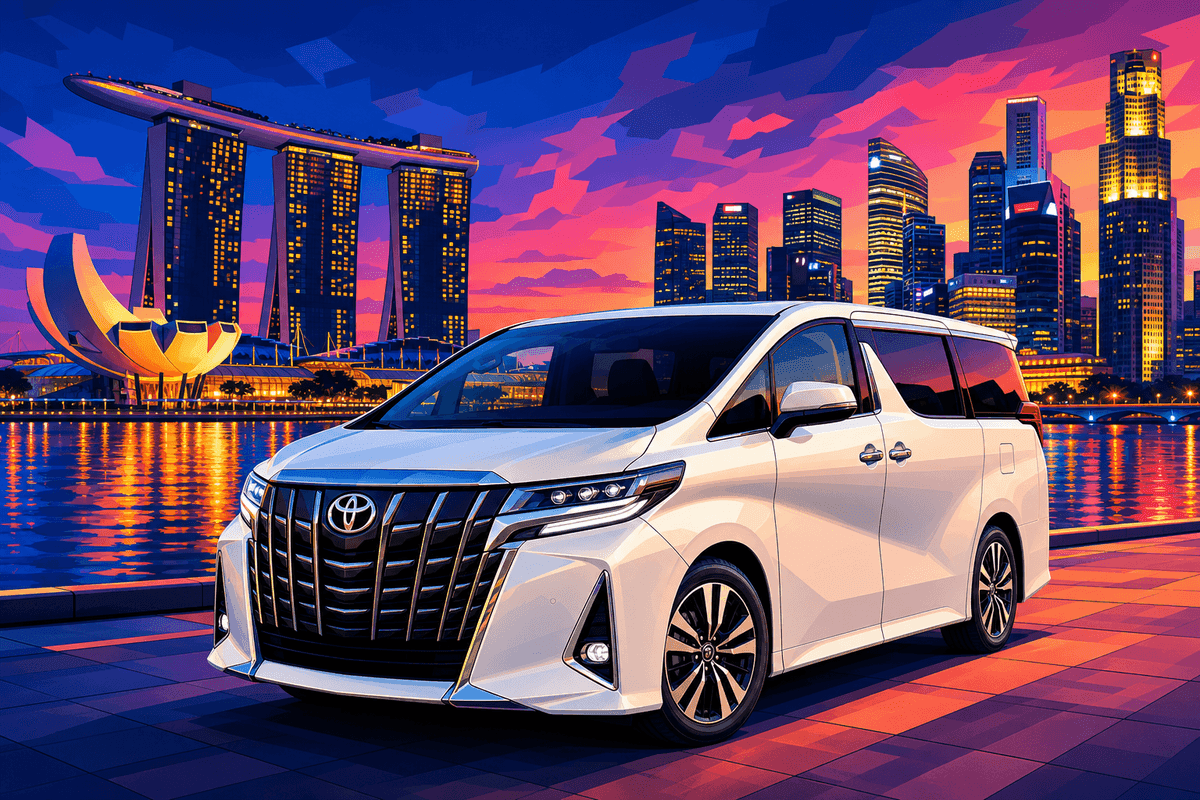
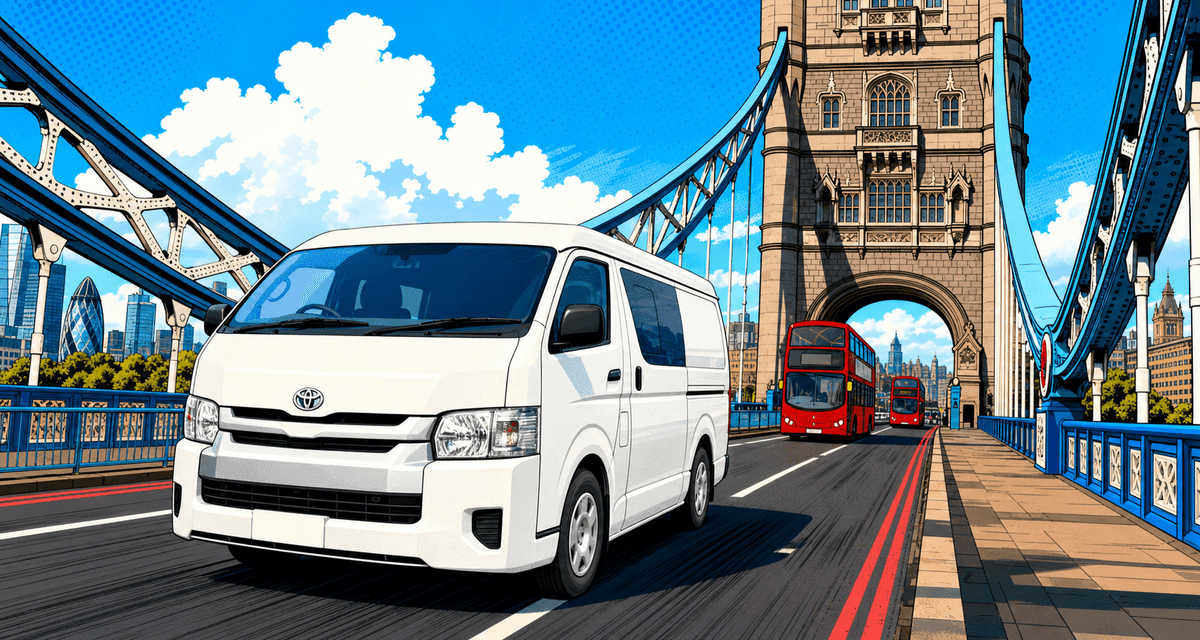
We load cars bound for Southampton out of Yokohama almost every week, and the UK remains one of the most straightforward destinations we serve. Same steering side, a buyer base that already knows exactly what a Hiace or an R34 is, and a registration process that — once you understand the order of operations — is genuinely manageable. Here is how the whole thing works in 2026, from auction hall to UK number plate.
Why the UK Is the Easiest Market We Ship To#
Japan and the UK both drive on the left. That single fact removes the biggest cost and headache our buyers in continental Europe or the Middle East deal with: no steering conversion, no headlight realignment, no "wrong-hand-drive" discount when you eventually sell. A Japanese car rolls off the ship at Southampton ready to be driven exactly the way it was built.
It also means UK buyers get first pick of the good stock. The best-kept Alphards, the low-mileage Hiaces, the unmolested sports chassis — all of it was built for left-hand traffic, and the UK is one of the few places those cars can go without surgery. When we bid at auction for a UK client, we are not compromising on condition to fit a conversion budget.
The Money: Duty, VAT and What "Landed" Really Costs#
Two taxes matter when your car arrives:
| Charge | Typical basis |
|---|---|
| Customs duty | Around 10% of the CIF value for passenger cars |
| Import VAT | 20%, charged on the CIF value plus the duty |
Run a quick example. A car with a CIF value of £10,000 attracts roughly £1,000 in duty, then 20% VAT on £11,000 — another £2,200. So you are at about £13,200 before registration costs, using today's headline rates. Rates and classifications do change, so confirm the current figures with HMRC or your customs broker before you commit to a purchase; we also flag anything unusual when we quote.
One thing buyers consistently underestimate: VAT applies to the freight and insurance too, not just the car. That is why we quote CIF up front instead of letting a cheap FOB number set the wrong expectation.
The Paperwork, in the Right Order#
Do these steps in sequence and the process is boring, in a good way:
- NOVA notification to HMRC. You must notify HMRC through the NOVA system shortly after the vehicle arrives — the window is 14 days at the time of writing, but check the current requirement. Without a NOVA reference, the DVLA will not register the car. This is the step first-time importers most often miss.
- Pay duty and VAT. Usually handled by your clearing agent at the port.
- IVA test, if your vehicle needs one (more below).
- MOT, if the vehicle is over three years old — book it on the chassis number before you have plates.
- DVLA first registration. Submit the V55/5 with the Japanese export certificate, its English translation, the invoice and your NOVA reference. Plates follow.
We supply the export certificate, a certified English translation, the bill of lading and the commercial invoice with every car. Those four documents cover what the DVLA and your clearing agent will ask for.
IVA: Which Cars Need the Test#
Individual Vehicle Approval is the UK's single-vehicle compliance test, and whether you need it depends on the vehicle's age and category. Broadly, older vehicles benefit from age-related exemptions, while later-model imports are more likely to need a test. Kei trucks sit in their own niche and are usually straightforward, but rules shift — check the current DVSA guidance for your specific model and year, or ask us. We have shipped most of the popular models before and can tell you what previous buyers of the same car went through.
What Actually Sells in the UK in 2026#
We watch what our UK buyers reorder, and the pattern is consistent:
| Vehicle | Who is buying it |
|---|---|
| Toyota Hiace | Camper converters, trades, van-lifers — clean high-roof diesels move fastest |
| Toyota Alphard / Vellfire | Private hire operators and big families; the UK never had a domestic luxury MPV |
| Kei trucks (Carry, Hijet, Acty) | Smallholdings, estates, event and festival sites |
| Sports JDM (Skyline, Supra, RX-7, Type R) | Enthusiasts and collectors; honest unmodified cars command the premium |
If you want to see what we have on the water or in the yard right now, our current stock is here.
Shipping to Southampton#
Most UK-bound cars go RoRo — cheapest, frequent sailings, fine for anything that runs and drives. Container makes sense for high-value sports cars or when you are combining two to four vehicles into one box, which is how several of our UK dealers buy. Transit time depends on routing and carrier schedules; we confirm the actual sailing when we book your slot. Full destination details, including a sample CIF estimate, are on our Southampton page.
A Note on Payment#
We accept one payment method: bank transfer to our corporate account in Japan. No crypto, no personal accounts, no payment links sent over chat. If anyone claiming to sell Japanese cars asks for any of those, walk away. How and when we invoice is on our payment page.
FAQ#
Do I pay UK VAT even on a cheap car?#
Yes. Import VAT applies regardless of the vehicle's value, calculated on CIF plus duty. There is no low-value threshold worth planning around for a car.
Can I drive the car home from Southampton port?#
Not on its Japanese plates. The car needs NOVA, duty and VAT paid, any required IVA and MOT, and DVLA registration first. Most buyers use a transporter for the port-to-home leg.
How long does the whole process take?#
In our experience, most UK imports run two to three months from auction win to UK registration, and the sailing is the biggest chunk of that. Paperwork rarely adds delay if you follow the order above.
If you want a real landed-cost figure for a specific car rather than a theory lecture, send us the model and your budget through our quote page. We will come back with FOB, freight to Southampton and an honest opinion on whether that particular car is worth exporting.